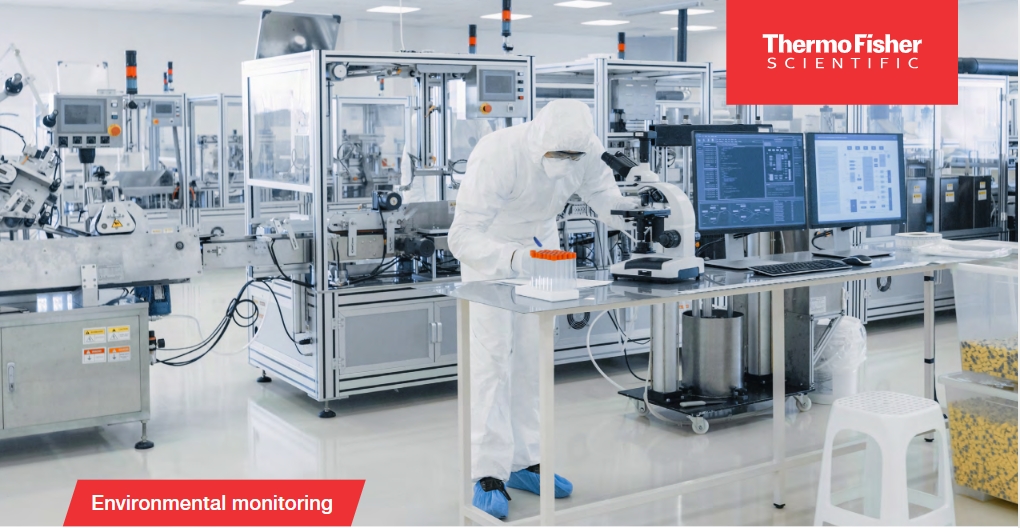
The pharmaceutical industry plays a pivotal role in society by providing needed medications and therapies to treat both chronic and acute illnesses and diseases. Central to its mission is ensuring the safety, efficacy, and quality of pharmaceutical products, with contamination control serving as a foundational element in achieving this objective.
The Contamination Control Strategy (CCS) is designed to systematically identify, prevent, and address contamination risks. An effective CCS maintains stringent quality standards, adheres to regulatory requirements, and helps safeguard patient health.
Environmental monitoring, an essential aspect of contamination control, evaluates and oversees microbial and particulate contamination in manufacturing facilities, cleanrooms, and controlled environments. And, is crucial for maintaining product integrity and safeguarding patient safety.
Understanding environmental contamination Environmental contamination in pharmaceutical manufacturing facilities can originate from diverse sources, including air, water, surfaces, and personnel. Microorganisms such as bacteria, fungi, and viruses, as well as particulate matter, can compromise product quality and pose risks to patient health. Contaminants can enter the manufacturing environment through various pathways, such as ventilation systems, personnel movement, equipment surfaces, and raw materials.
When microorganisms contaminate pharmaceutical products, they can not only lead to product spoilage and reduced shelf-life but also pose serious health risks to patients. Therefore, ensuring stringent control over microbial contamination is imperative to safeguarding the safety and well-being of patients who rely
on pharmaceutical products for their health and treatment. Environmental monitoring aims to identify and quantify these contaminants to prevent their introduction, proliferation, and impact on pharmaceutical products.
This article is posted at thermofisher.com

Please fill out the form to access the content